Starting painting can feel exciting and scary at the same time. You might think you need talent, expensive supplies, or years of practice—but that’s not true at all. With the right painting techniques for beginners, anyone can start painting and actually enjoy the process.
This guide is made especially for beginners. I’ll explain simple painting techniques, how to practice them, and how to build confidence without pressure.
What Are Painting Techniques for Beginners?
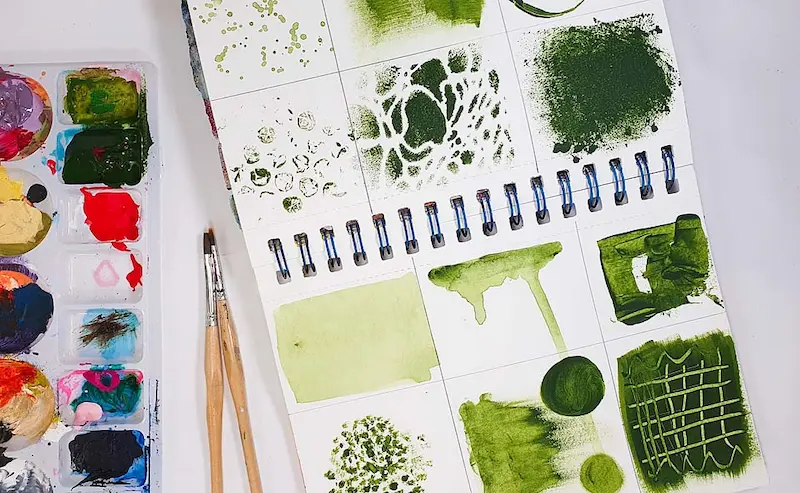
Painting techniques for beginners are basic methods that help new painters apply color, control brushes, and create simple effects. These techniques are easy to learn and don’t require professional skills.
They focus on:
- Understanding brush movement
- Mixing colors simply
- Applying paint smoothly
- Enjoying the process, not perfection
Why Learning Basic Painting Techniques Is Important
Many beginners quit early because they try advanced methods too soon. Starting with beginner-friendly painting techniques helps you:
- Build confidence
- Improve control over brushes
- Understand colors better
- Avoid frustration
- Enjoy painting from day one
Once the basics feel comfortable, advanced styles become much easier.
Essential Painting Techniques for Beginners
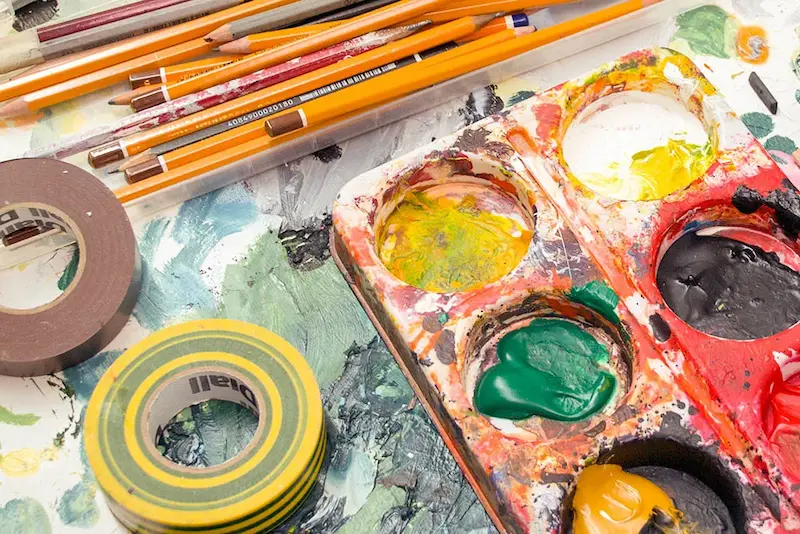
Let’s go through the most important painting techniques for beginners that you should practice first.
1. Flat Wash Technique
This is one of the easiest painting techniques for beginners.
What it is:
Applying one even color across an area.
Why it’s useful:
- Helps control paint and brush
- Great for backgrounds and skies
How to practice:
Dip your brush in paint, remove excess water, and paint evenly in one direction.
2. Dry Brush Technique
This technique adds texture and detail.
What it is:
Using very little paint on a dry brush.
Why beginners love it:
- Easy to control
- Great for texture like grass, hair, or rough surfaces
Tip:
Always wipe your brush slightly before touching the canvas.
3. Wet-on-Wet Technique
This is a fun and relaxing method.
What it is:
Applying wet paint onto wet paint.
Why it’s good for beginners:
- Creates soft blends
- No hard edges
- Perfect for abstract and background work
It’s one of the most enjoyable painting techniques for beginners.
4. Wet-on-Dry Technique
This technique gives more control.
What it is:
Applying wet paint onto a dry surface.
Why it’s helpful:
- Sharp edges
- Better details
- Easy correction
Beginners often use this technique for simple shapes and objects.
5. Blending Colors
Blending is a key skill for smooth transitions.
What it is:
Mixing two colors smoothly where they meet.
Beginner tip:
Start with two colors only. Use gentle brush strokes where they touch.
Blending becomes easier with practice and patience.
6. Dabbing or Stippling Technique
This technique uses dots instead of strokes.
What it is:
Applying paint by tapping the brush.
Why it’s beginner-friendly:
- No perfect lines needed
- Great for flowers, leaves, and texture
It’s simple, fun, and very forgiving.
You may also like to read this:
Watercolor Painting Techniques – Easy Guide for Beginners
Easy Creative Projects – Fun & Simple DIY Ideas at Home
Home Art Projects – Creative & Easy DIY Ideas for All Ages
Craft and Art Projects – Fun & Easy DIY Ideas at Home
Painting Methods and Tips – Guide for Beginners & Artists
Painting Techniques for Beginners Using Acrylic Paint
Acrylic paint is perfect for beginners because it dries fast and is easy to use.
Best acrylic techniques for beginners:
- Flat wash
- Dry brush
- Layering
- Simple blending
Always start with thin layers and build slowly.
Painting Techniques for Beginners Using Watercolors
Watercolors are light, soft, and calming.
Beginner watercolor techniques include:
- Wet-on-wet
- Flat wash
- Color lifting
- Simple gradients
Remember: water control is more important than paint.
Painting Techniques for Beginners Using Poster or Tempera Paint
These paints are affordable and great for practice.
Easy techniques:
- Solid color filling
- Simple strokes
- Layering shapes
Perfect for kids and absolute beginners.
Common Mistakes Beginners Should Avoid
When learning painting techniques for beginners, avoid these mistakes:
- Using too much paint
- Rushing the process
- Expecting perfection
- Comparing your work to professionals
- Skipping basic practice
Every artist starts as a beginner—progress matters more than perfection.
Tips to Improve Painting Skills Faster
- Practice 15–30 minutes daily
- Start with simple subjects
- Use limited colors
- Watch how paint moves
- Enjoy mistakes—they help you learn
Consistency is more important than talent.
Who Should Learn Painting Techniques for Beginners?
These techniques are perfect for:
- Beginners with no experience
- Kids and students
- Adults starting art as a hobby
- Anyone looking for relaxation
Painting is for everyone.
Final Thoughts
Learning painting techniques for beginners doesn’t need to be complicated. Start simple, stay patient, and enjoy the process. Every brushstroke teaches you something new.
You don’t need to be perfect—you just need to start.
Frequently Asked Questions (FAQs)
What are painting techniques for beginners?
Painting techniques for beginners are basic methods that help new artists apply paint, control brushes, and mix colors easily without needing prior experience.
Which painting technique is best for beginners?
Flat wash, dry brush, wet-on-wet, and simple blending are some of the best painting techniques for beginners because they are easy to learn and very forgiving.
What type of paint is easiest for beginners?
Acrylic paint is often the easiest for beginners because it dries quickly, is affordable, and works well on many surfaces. Watercolors are also great for those who enjoy soft, flowing effects.
Do beginners need expensive painting supplies?
No, beginners do not need expensive supplies. Basic brushes, a small set of paints, paper or canvas, and water are enough to start practicing painting techniques for beginners.
How long does it take to learn painting techniques for beginners?
There is no fixed time. With regular practice, beginners can start feeling comfortable within a few weeks. Consistency matters more than speed.