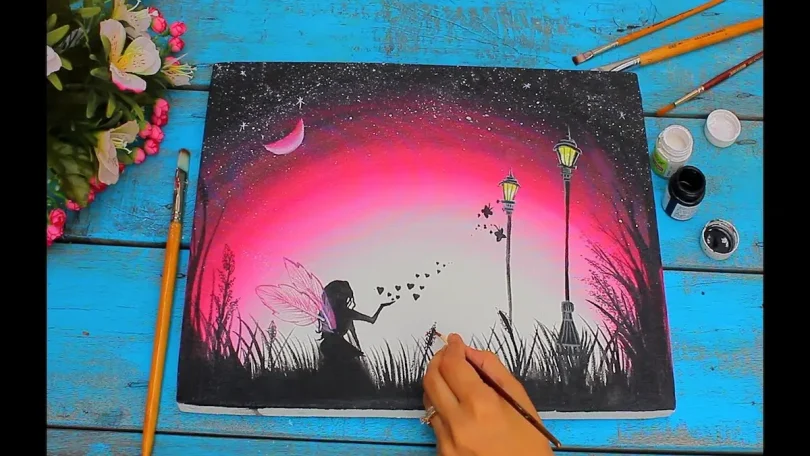

Painting is one of the most creative and fulfilling hobbies you can explore. Whether you’re a beginner or looking to improve your skills, learning different painting methods and tips can help you create more expressive, vibrant, and professional-looking artwork.
In this guide, we’ll cover popular painting methods, practical tips, and techniques that make painting enjoyable and effective.
Popular Painting Methods
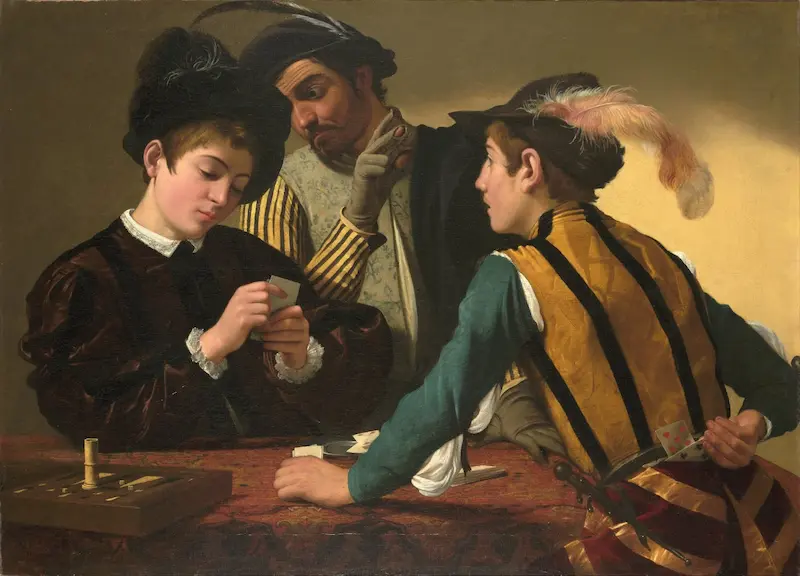
Different painting methods give you various effects, textures, and styles. Here are the most common ones:
1. Acrylic Painting
What it is: Using fast-drying acrylic paints that can be applied on canvas, paper, wood, or other surfaces.
Best for: Beginners and professionals because it’s versatile, easy to clean, and allows layering.
Tips:
- Work in thin layers first and build up colors gradually.
- Use brushes, palette knives, or even sponges for texture.
2. Watercolor Painting
What it is: Using transparent, water-based paints that create soft, flowing effects.
Best for: Gentle washes, landscapes, floral paintings, and abstract art.
Tips:
- Always use watercolor paper for best results.
- Experiment with wet-on-wet and wet-on-dry techniques.
- Start with light washes and build depth gradually.
3. Oil Painting
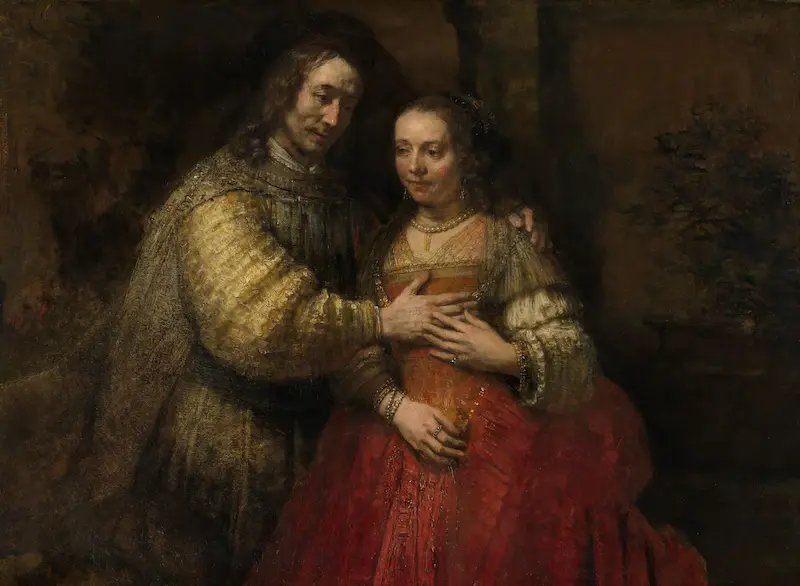
What it is: Using oil-based paints that dry slowly, allowing blending and layering over time.
Best for: Realistic paintings, portraits, and rich, vibrant colors.
Tips:
- Use thin layers first (“lean”), then apply thicker layers (“fat”) to avoid cracking.
- Mix colors on a palette rather than directly on the canvas.
- Keep brushes and palette clean to prevent muddy colors.
4. Gouache Painting
What it is: Opaque water-based paint similar to watercolor but solid and matte.
Best for: Illustrations, flat designs, and vibrant color projects.
Tips:
- Layer light colors over dark colors carefully.
- Mix colors to create smooth, consistent tones.
5. Mixed Media Painting
What it is: Combining two or more painting methods, like acrylic and watercolor or acrylic and ink.
Best for: Creative experiments, textures, and abstract art.
Tips:
- Plan your layers in advance.
- Test combinations on scrap paper before applying to the final painting.
You may also like to read this:
Personal Art Project Ideas for Creative Expression at Home
Watercolor Painting Techniques – Easy Guide for Beginners
Easy Creative Projects – Fun & Simple DIY Ideas at Home
Home Art Projects – Creative & Easy DIY Ideas for All Ages
Craft and Art Projects – Fun & Easy DIY Ideas at Home
Essential Painting Tips for All Artists
No matter which painting method you choose, these tips will help you improve quickly:
- Start Simple: Begin with basic shapes and colors before tackling complex scenes.
- Use Quality Materials: Good brushes, paints, and paper/canvas make a big difference.
- Experiment with Brushes and Tools: Try different brush shapes, palette knives, sponges, or even fingers.
- Practice Color Mixing: Learn to blend primary colors to create new shades rather than relying on pre-mixed colors.
- Plan Your Composition: Sketch lightly before painting to avoid mistakes.
- Work in Layers: Layering allows depth and better control over colors.
- Keep Brushes Clean: Rinse brushes between colors to avoid muddy results.
- Use Proper Lighting: Natural light is ideal; it helps you see true colors.
- Allow Paint to Dry Between Layers: Especially important for acrylics and oils.
- Don’t Fear Mistakes: Paint over errors, lift paint, or start again—every mistake is a learning opportunity.
Advanced Painting Methods to Try
Once you feel confident, you can explore:
- Impasto: Thick layers of paint for texture.
- Glazing: Transparent layers to add depth.
- Dry Brush: Creates texture and highlights.
- Splattering: Fun, random effects using a brush or toothbrush.
- Underpainting: Base layer in monochrome before adding colors.
These methods can make your paintings look more professional and visually striking.
Common Mistakes Beginners Make
- Rushing without planning the composition
- Using too much water or paint at once
- Ignoring the drying time of layers
- Skipping practice exercises
- Overworking the painting and muddying colors
Remember, painting is as much about experimentation as it is about technique. The more you try, the better you get!
Final Thoughts
Learning different painting methods and tips can transform your artwork and boost your confidence. Start with simple methods, practice regularly, and gradually experiment with advanced techniques.
Painting is not just about creating beautiful images—it’s about enjoying the process, expressing yourself, and exploring your creativity.
Frequently Asked Questions (FAQs)
What are the most common painting methods?
The most common painting methods include acrylic painting, watercolor painting, oil painting, gouache painting, and mixed media painting. Each method has unique effects and techniques.
Which painting method is best for beginners?
Acrylic painting and watercolor painting are great for beginners. Acrylics are versatile and easy to fix, while watercolors teach color blending and soft washes.
What essential tools do I need to start painting?
You need basic paints, brushes (round and flat), canvas or paper, a palette, and water. For oil painting, you’ll also need mediums and solvents.
How can I improve my painting skills quickly?
Practice regularly, experiment with brushes and techniques, study colors and compositions, and don’t be afraid to make mistakes. Layering and mixing colors effectively helps a lot.