
Painting is not just about filling a canvas with color—it’s about expressing your imagination, experimenting, and creating something unique. If you want to go beyond traditional methods, creative painting techniques are perfect for making your artwork stand out.
Whether you’re a beginner, intermediate, or advanced artist, exploring creative techniques can help you develop your style, add textures, and produce stunning effects.
Why Use Creative Painting Techniques?
Creative painting techniques allow you to:
- Express your personality and imagination
- Experiment with textures, colors, and materials
- Add depth and uniqueness to your artwork
- Combine traditional and unconventional methods
- Break away from artistic limitations and rules
These techniques can be applied to acrylics, watercolors, oils, gouache, and mixed media.
Popular Creative Painting Techniques
1. Splatter and Drip Painting
What it is: Flicking, dripping, or throwing paint onto the canvas.
Effect: Creates energetic, abstract, and textured designs.
Tips:
- Use old brushes or toothbrushes for splattering.
- Protect surrounding areas to avoid unwanted paint.
- Experiment with different colors and paint thickness.
2. Palette Knife Painting
What it is: Using a palette knife instead of a brush to apply paint.
Effect: Bold textures, thick layers, and 3D effects.
Tips:
- Use for impasto effects or abstract styles.
- Combine with brushwork for smoother areas.
3. Stamping and Texturing
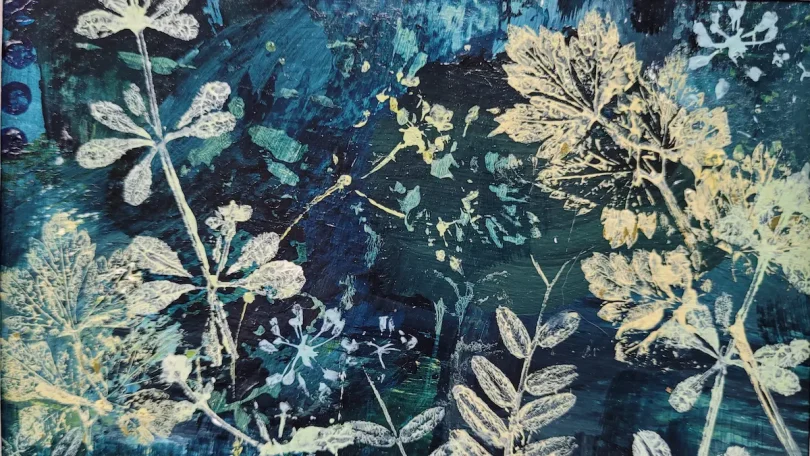
What it is: Pressing objects like sponges, leaves, bubble wrap, or fabric into wet paint.
Effect: Adds interesting patterns, textures, and layers.
Tips:
- Use acrylics or thick paints for best results.
- Try multiple objects for varied textures.
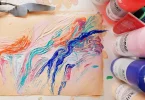
4. Pouring and Fluid Art
What it is: Pouring liquid paint onto a surface and letting it flow naturally.
Effect: Abstract designs with organic shapes and vibrant colors.
Tips:
- Mix paint with pouring medium for smooth flow.
- Tilt the canvas to control paint movement.
5. Dry Brush Technique
What it is: Using a brush with minimal paint to create rough textures.
Effect: Perfect for adding details, highlights, and layered textures.
Tips:
- Works well for grass, wood, or abstract textures.
6. Layering and Glazing
What it is: Applying thin, transparent layers over dried paint.
Effect: Adds depth, richness, and subtle transitions.
Tips:
- Let each layer dry completely before applying the next.
- Experiment with color combinations for unique effects.
7. Mixed Media Techniques
What it is: Combining paints with inks, markers, pastels, or collage.
Effect: Creates unique textures, depth, and a multidimensional look.
Tips:
- Plan your layers carefully to avoid messy results.
- Experiment with combining traditional and modern materials.
8. Negative Painting
What it is: Painting around objects or shapes to define them.
Effect: Creates interesting focal points and emphasizes highlights.
Tips:
- Works especially well with watercolors and acrylics.
- Keep your edges clean and controlled.
Tips for Mastering Creative Painting Techniques
- Experiment fearlessly: Don’t worry about mistakes—they often create unique results.
- Start small: Test techniques on scraps before committing to a final piece.
- Combine methods: Mix splattering, layering, and texturing for dynamic effects.
- Use proper surfaces: Thick paper, canvas, or panels handle creative techniques better.
- Practice color harmony: Creative techniques look best when colors are balanced.
- Observe other artists: Study abstract, modern, and experimental art for inspiration.
You may also like to read this:
Craft and Art Projects – Fun & Easy DIY Ideas at Home
Painting Methods and Tips – Guide for Beginners & Artists
Painting Techniques for Beginners – Easy Step-by-Step Guide
Advanced Painting Techniques – Elevate Your Art Skills
Acrylic Painting Techniques – Easy Guide for Beginners
Common Mistakes to Avoid
- Overloading the canvas with paint at once
- Ignoring drying times, especially with layering and glazing
- Using the wrong paper or canvas for your technique
- Not testing experimental methods first
Remember, creative painting is all about exploring and having fun. The more you practice, the more your own style will emerge.
Final Thoughts
Creative painting techniques allow artists to go beyond traditional painting and express themselves freely. From splattering and palette knife work to pouring, mixed media, and negative painting, these methods open a world of possibilities.
The key is to experiment, combine techniques, and enjoy the process. Your next masterpiece could be a bold, textured, colorful creation that reflects your unique artistic vision.
Frequently Asked Questions (FAQs)
What are creative painting techniques?
Creative painting techniques are unique methods to apply paint, such as splattering, palette knife work, pouring, layering, and mixed media, to produce bold, imaginative, and textured artwork.
Are creative painting techniques suitable for beginners?
Yes! Beginners can experiment with simple techniques like splattering, dry brushing, and layering. Start small and gradually combine methods as you gain confidence.
Which painting mediums are best for creative techniques?
Acrylics, watercolors, oils, and gouache are ideal. Acrylics and oils are perfect for textures and impasto, while watercolors work well for wet-on-wet, layering, and negative painting.
How do I add texture to my paintings?
Use tools like palette knives, sponges, bubble wrap, or even fabrics. Dry brush and impasto techniques also create interesting textures.
Can I combine multiple creative techniques?
Absolutely! Combining splattering, pouring, glazing, or mixed media creates dynamic, layered, and unique artworks.