
Once you’ve mastered the basics of painting, it’s time to explore advanced painting techniques. These methods allow you to add depth, texture, realism, and unique effects to your artwork. Whether you work with acrylics, watercolors, or oils, learning advanced techniques will help you elevate your art and express your creativity in new ways.
In this guide, we’ll explore some of the most popular and effective advanced painting techniques, along with tips and examples for applying them in your projects.
Why Learn Advanced Painting Techniques?
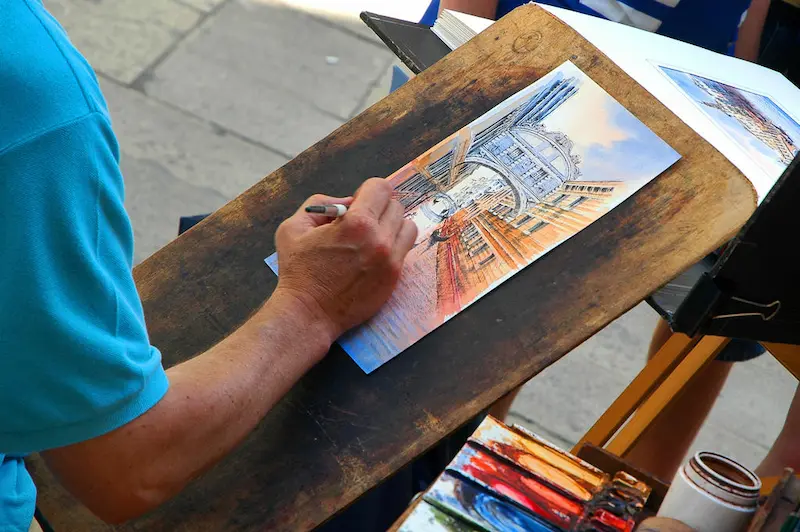
Advanced painting techniques are designed to:
- Add realism and depth to your artwork
- Create unique textures and effects
- Expand your creative range
- Improve control over your medium
- Help you experiment with new styles and approaches
By incorporating these techniques, your paintings will look more professional and visually engaging.
Advanced Acrylic Painting Techniques
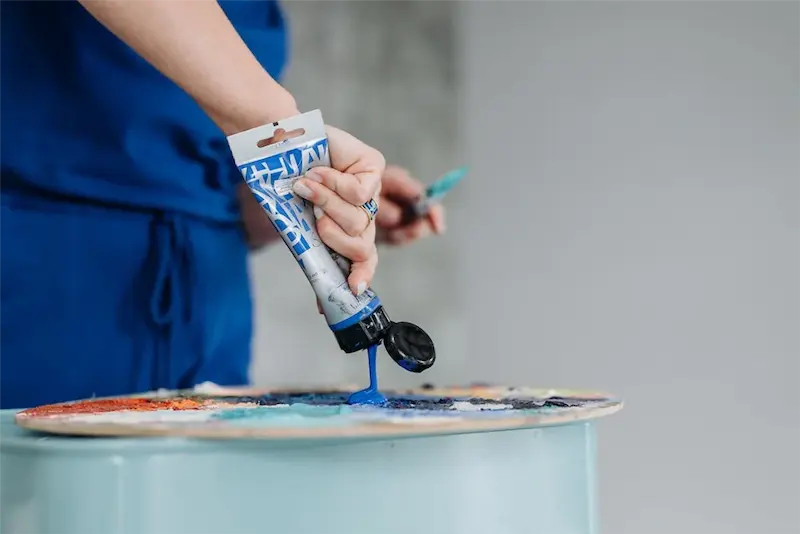
1. Impasto Technique
What it is: Applying thick layers of paint to create texture.
Effect: Adds depth and a 3D effect to your paintings.
Tips:
- Use a palette knife or stiff brush.
- Layer colors gradually for more dimension.
2. Glazing Technique
What it is: Applying transparent layers of paint over dried layers.
Effect: Creates depth, luminosity, and subtle color shifts.
Tips:
- Thin your paint with medium or water (for acrylics).
- Build multiple layers slowly for smooth effects.
3. Scumbling Technique
What it is: Scrubbing a thin or dry layer of paint over a textured surface.
Effect: Creates texture and softens edges.
Tips:
- Use a dry brush for subtle results.
- Works well for skies, clouds, or fabric.
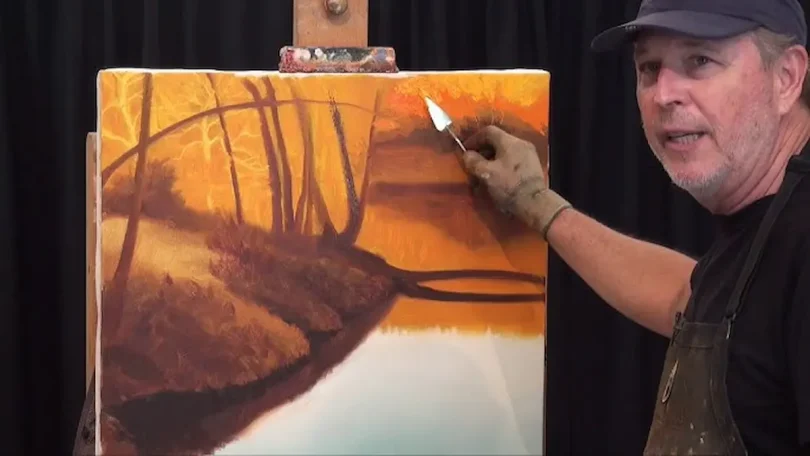
4. Palette Knife Techniques
What it is: Using a palette knife to apply or scrape paint.
Effect: Produces bold strokes, textures, and abstract effects.
Tips:
- Experiment with different angles and pressure.
- Combine with brushes for varied textures.
5. Underpainting Techniqu
What it is: Painting a base layer in a monochromatic color before adding final colors.
Effect: Enhances contrast, depth, and tonal values.
Tips:
- Commonly used in oils and acrylics.
- Helps plan composition and shadows.
Advanced Watercolor Techniques
1. Wet-on-Wet with Multiple Colors
Effect: Soft, blended transitions for complex skies, sunsets, or abstract effects.
Tips:
- Use plenty of water and allow colors to merge naturally.
2. Negative Painting
What it is: Painting around an object to define its shape.
Effect: Highlights objects and creates depth.
Tips:
- Leave the object area unpainted and paint the surrounding areas carefully.
3. Lifting and Scratching
What it is: Removing paint or scratching the surface for effects.
Effect: Creates highlights, textures, and patterns.
Tips:
- Use a damp brush, tissue, or even a craft knife carefully.
4. Layering Glazes
What it is: Applying multiple transparent layers after each layer dries.
Effect: Adds richness and luminosity to colors.
Tips:
- Work slowly; each layer should dry completely.
- Helps create realistic shadows and depth.
Oil Painting Advanced Techniques
- Chiaroscuro: Using strong contrasts between light and dark for dramatic effects.
- Alla Prima: Painting wet-on-wet in one session for spontaneity.
- Sgraffito: Scratching through wet paint to reveal layers underneath.
- Fat over Lean: Applying thicker paint layers over thinner layers to avoid cracking.
You may also like to read this:
Easy Creative Projects – Fun & Simple DIY Ideas at Home
Home Art Projects – Creative & Easy DIY Ideas for All Ages
Craft and Art Projects – Fun & Easy DIY Ideas at Home
Painting Methods and Tips – Guide for Beginners & Artists
Painting Techniques for Beginners – Easy Step-by-Step Guide
Tips for Mastering Advanced Painting Techniques
- Practice regularly and experiment without fear.
- Combine multiple techniques in one painting for unique effects.
- Study works of master artists to understand their methods.
- Use high-quality brushes and materials for better control.
- Keep a sketchbook or practice sheet to test techniques before applying them to your final painting.
Common Mistakes in Advanced Painting
- Rushing the process and skipping layers
- Using too much paint or water at once
- Ignoring the drying time of layers
- Overworking the painting and muddying colors
Remember, advanced painting techniques take patience and experimentation to master. Don’t be afraid to make mistakes—they are part of learning.
Final Thoughts
Advanced painting techniques give you the power to create depth, texture, and realism in your artwork. By experimenting with methods like glazing, impasto, wet-on-wet, and negative painting, you can take your paintings from simple to extraordinary.
The key is practice, patience, and the willingness to explore your creativity. With time, these techniques will become second nature, and your art will reach a whole new level.
Frequently Asked Questions (FAQs)
What are advanced painting techniques?
Advanced painting techniques are methods that help artists add depth, texture, realism, and unique effects to their artwork. They include techniques like glazing, impasto, scumbling, layering, and negative painting.
Are advanced painting techniques only for professionals?
No! While they are called “advanced,” any artist with basic painting experience can learn them. Beginners can gradually practice these techniques to improve their skills.
Which medium is best for advanced painting techniques?
Advanced painting techniques can be applied to acrylics, watercolors, oils, and mixed media. Each medium has its own unique methods, like glazing for oils and layering for watercolors.
What is the impasto technique in painting?
Impasto involves applying thick layers of paint to create texture and a 3D effect. It is often used with acrylics or oils and can be applied with a brush or palette knife.
What is glazing in painting?
Glazing is applying thin, transparent layers of paint over dry layers. It adds depth, richness, and subtle color changes to a painting.