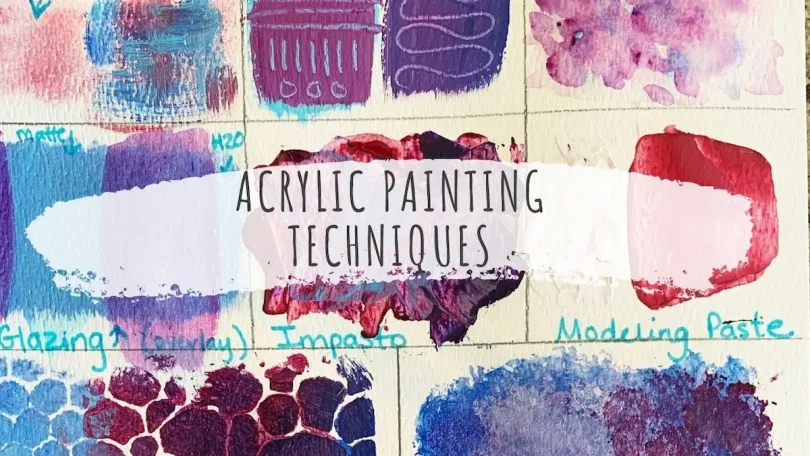

Acrylic painting is one of the most enjoyable and beginner-friendly art forms. If you’re new to painting or looking to improve your skills, learning the right acrylic painting techniques can make a huge difference. The best part? Acrylics are forgiving, versatile, and fun to work with.
In this guide, I’ll walk you through the most popular and easy acrylic painting techniques in a simple way, so anyone can understand and start painting with confidence.
Why Choose Acrylic Painting?
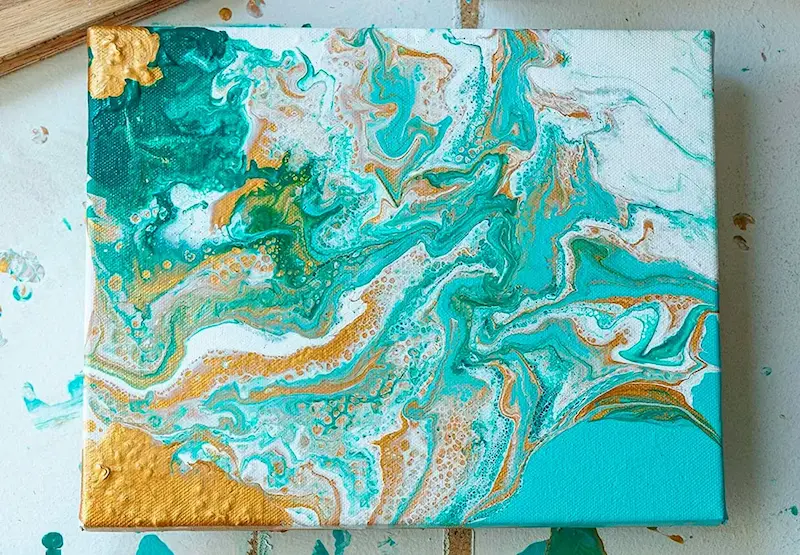
Acrylic paints are loved by beginners and professionals alike. They dry quickly, are easy to clean with water, and work on many surfaces like canvas, paper, wood, and even fabric. You don’t need expensive tools to get started—just a few brushes, some paint, and creativity.
Basic Acrylic Painting Techniques You Should Know
Flat Painting Technique
This is one of the simplest acrylic painting techniques. You apply paint evenly using a flat brush to create a smooth surface. It’s perfect for backgrounds like skies, walls, or large areas of color.
Dry Brush Technique
In this technique, you use very little paint on a dry brush. It creates a rough, textured effect and works great for grass, hair, wood, or highlights. Dry brushing adds depth and detail to your artwork.
Wet-on-Wet Technique
This technique involves applying wet paint onto another wet layer. It helps blend colors smoothly and is ideal for creating soft transitions, clouds, or abstract effects.
Blending Technique
Blending is a key acrylic painting technique where two or more colors are gently mixed on the canvas. Because acrylics dry fast, you need to work quickly. A soft brush and light hand help achieve smooth blends.
Layering Technique
Layering means painting one layer over another after the first layer dries. Acrylics are perfect for this. It allows you to build depth, correct mistakes, and add details gradually.
Dabbing or Stippling Technique
This technique uses a brush, sponge, or even a cotton swab to dab paint onto the surface. It’s great for flowers, leaves, textures, and fun creative effects
Palette Knife Technique
Instead of a brush, a palette knife is used to spread paint. This creates bold textures and expressive strokes. It’s commonly used for landscapes and abstract acrylic paintings.
Acrylic Painting Techniques for Beginners
If you’re just starting, focus on these beginner-friendly techniques:
- Flat painting for backgrounds
- Simple blending
- Dry brush for texture
- Dabbing for creative effects
You don’t need to master everything at once. Practice one technique at a time and enjoy the process.
Common Mistakes to Avoid
Many beginners make small mistakes while learning acrylic painting techniques:
- Using too much paint at once
- Not cleaning brushes properly
- Rushing without letting layers dry
- Overworking the painting
Don’t worry—mistakes are part of learning. Acrylics are forgiving, and you can always paint over errors.
You may also like to read this:
Home Art Projects – Creative & Easy DIY Ideas for All Ages
Craft and Art Projects – Fun & Easy DIY Ideas at Home
Painting Methods and Tips – Guide for Beginners & Artists
Painting Techniques for Beginners – Easy Step-by-Step Guide
Advanced Painting Techniques – Elevate Your Art Skills
Tips to Improve Your Acrylic Painting Skills
- Practice regularly, even for 20 minutes a day
- Start with simple subjects
- Keep your brushes clean
- Experiment with different techniques
- Don’t aim for perfection—aim for progress
Final Thoughts
Learning acrylic painting techniques opens the door to endless creativity. Whether you want to paint for relaxation, as a hobby, or to improve your artistic skills, acrylics are a fantastic choice. Take your time, enjoy the colors, and let your creativity flow.
Every artist starts somewhere—your journey begins with a single brushstroke.
Frequently Asked Questions (FAQs)
What are acrylic painting techniques?
Acrylic painting techniques are different methods used to apply acrylic paint, such as blending, layering, dry brushing, and dabbing, to create various effects and textures.
Are acrylic painting techniques suitable for beginners?
Yes, acrylic painting techniques are ideal for beginners because acrylic paint is easy to control, dries quickly, and mistakes can be painted over.
What is the easiest acrylic painting technique to learn?
Flat painting and dry brush techniques are the easiest acrylic painting techniques for beginners because they require minimal skill and simple tools.
How do you blend colors using acrylic paint?
To blend acrylic colors, work while the paint is still wet and gently mix the colors with a soft brush where they meet on the canvas.
Why does acrylic paint dry so fast?
Acrylic paint dries quickly because it is water-based. This allows faster layering but requires quick blending while painting.